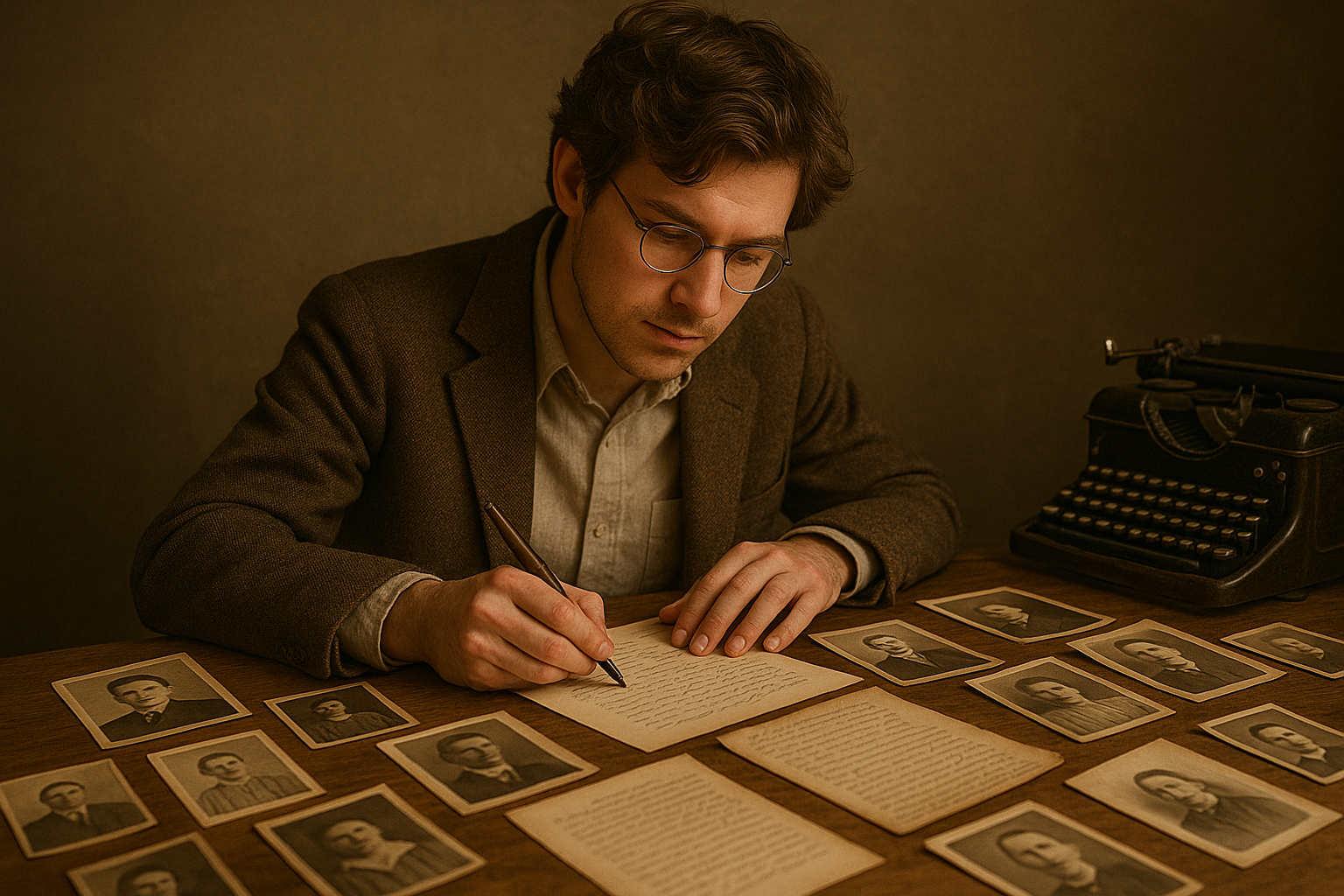

If you’ve ever thought about writing your family history — or blending it into your own life story — you’ve probably realized something pretty quickly: it’s a lot of work.
There are names, dates, and places scribbled on scraps of paper. A half-finished family tree on Ancestry.com. Maybe a collection of old letters or that box of photos passed down from your grandmother that no one’s really sorted through.
You know your family has stories worth preserving. But turning all of that into a book? That’s another story.
Here’s the good news: you don’t have to do it alone.
When you team up with a genealogist who is also a ghostwriter, you get the best of both worlds — the research skills to uncover your family’s past, and the storytelling expertise to bring those discoveries to life.
Turning Research Into Story
So how exactly does a genealogist-ghostwriter take you from a pile of old records to a polished, meaningful book? Let’s break it down step by step.
Step 1: Digging into the Records (Without Losing Your Mind)
The journey starts with research — and this part can get pretty intense. A professional genealogist knows how to comb through:
- Vital records (birth, marriage, and death certificates)
- Census data
- Military service records
- Immigration and naturalization documents
- Church registries
- Newspaper archives
- Land deeds and probate files
- DNA results and matches
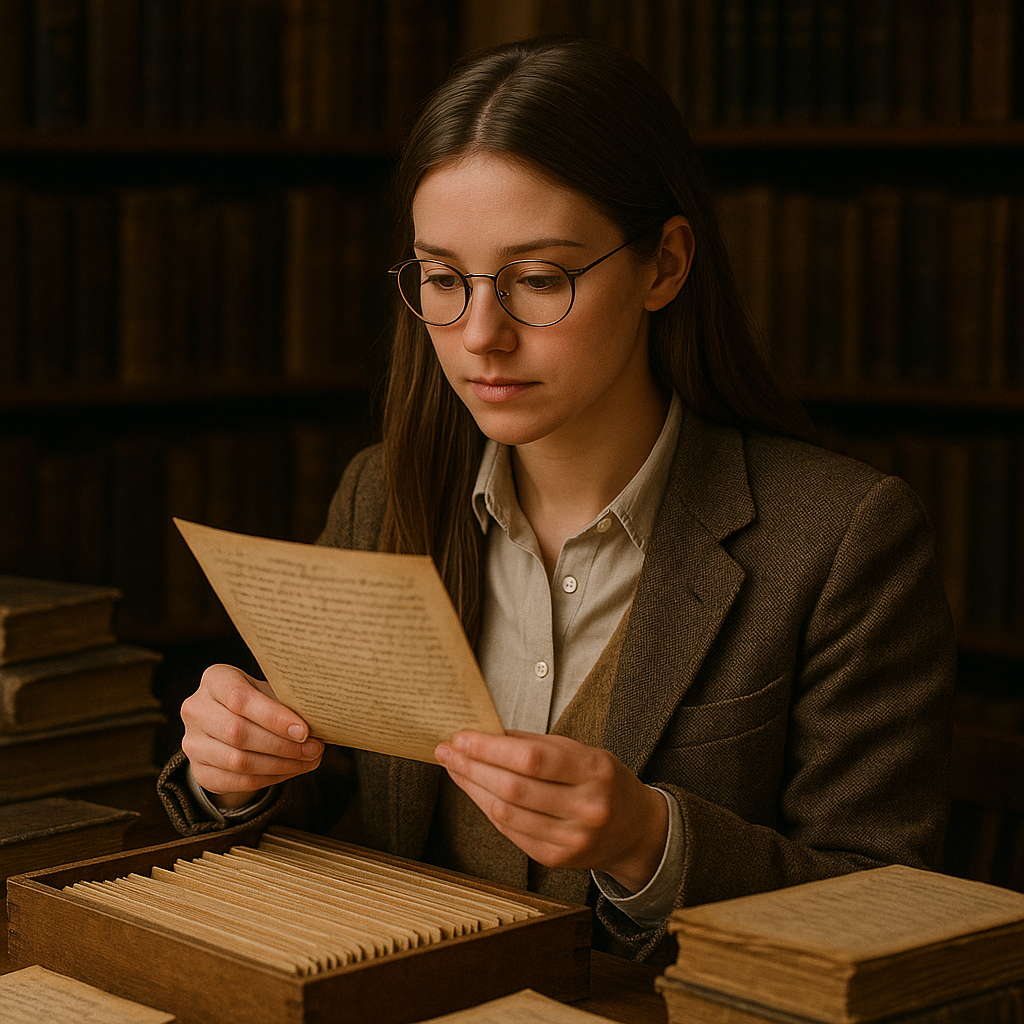
Many of these records are tucked away in local archives, historical societies, or behind paywalls on genealogy websites. And they don’t always spell things out clearly. Names change, dates are off, and documents contradict each other.
A genealogist knows how to navigate through the noise — cross-referencing sources, translating outdated terminology, and tracking down elusive relatives even when the trail goes cold.
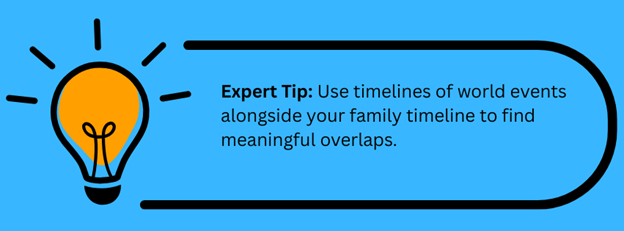
Step 2: Connecting the Dots to Build a Timeline
Once you’ve got a mountain of records, the next challenge is making sense of it all. That’s where the genealogist starts organizing the facts into a rough timeline of your family’s story.
At this point, it’s not about crafting beautiful prose — it’s about figuring out what happened, when, and where. For example:
- Your great-grandmother was born in Poland in 1892
- She arrived at Ellis Island in 1909 with her younger sister
- She worked in a garment factory in New York before marrying a Russian immigrant in 1915
From this timeline, patterns start to emerge. You might see recurring themes of migration, war, poverty, reinvention, or entrepreneurship. These threads will become the backbone of your story.
Step 3: Adding Historical Context to Bring the Past Alive
This is where the storytelling magic begins.
A ghostwriter with a genealogy background knows how to take those dry facts and set the scene. They’ll research what life was like in the time and place your ancestors lived, such as:

- What the voyage from Europe to America looked like in steerage class
- The working conditions in early 20th-century textile mills
- The impact of World War I on immigrants trying to assimilate
- Cultural norms, food, religion, fashion, even weather patterns
This context grounds your family’s story in reality and helps readers imagine what your ancestors felt, saw, and experienced.
You’re not just listing that they moved from Hungary to Ohio in 1912 — you’re painting a picture of why they left, how they traveled, and what they faced when they arrived.
Step 4: Weaving in Your Own Voice and Reflections
Here’s the part that makes your family history truly unique: your voice.
A skilled ghostwriter will help you intertwine your personal narrative with your ancestors’ stories. That could mean:
- Writing about your visit to your ancestral village
- Reflecting on what it meant to find your great-grandfather’s military record
- Including your memories of family traditions or stories passed down
- Drawing parallels between your life and the lives of those who came before you
Think of it as a multi-generational memoir — part autobiography, part historical narrative. The final product tells your story in conversation with theirs.
Step 5: Creating a Cohesive (and Readable!) Book
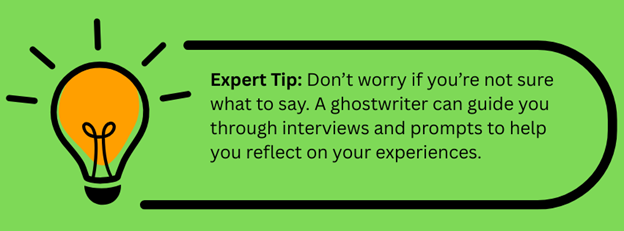
By now, you’ve got facts, context, and personal insights — but how do you pull it all together?
That’s where your ghostwriter takes the lead. They’ll craft a manuscript that reads like a novel — complete with:
- Scenes and dialogue (based on facts, family lore, and educated imagination)
- Emotional arcs and compelling structure
- Smooth transitions between historical eras and personal reflections
- A consistent voice that sounds like you — only polished and professional

The result? A finished book that honors your ancestors, captures your story, and holds your readers’ attention from the first page to the last.
Why You Should Work With Someone Who Does Both
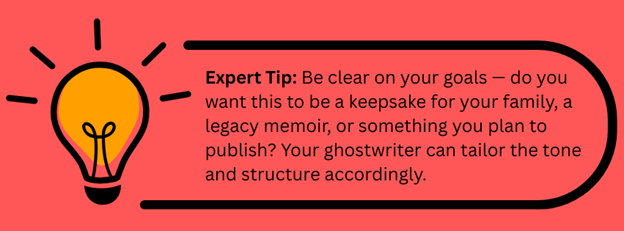
Genealogists and ghostwriters each bring their own expertise — but when one person can do both, it’s a total game-changer. You don’t have to translate research into writing — they do it for you.
A dual-role genealogist-ghostwriter understands:
- How to verify and interpret historical data
- How to turn facts into emotionally engaging stories
- How to preserve accuracy while using creative narrative techniques
- How to write your voice into their words
In short, they know how to build a bridge between the past and the present — and make it worth reading.
Your Story Deserves to Be Told
Your family’s journey isn’t just a bunch of names and dates. It’s a story of love, loss, courage, survival, reinvention, and identity. It’s a story that deserves to be told — and remembered.

Whether you’ve already done the research or you’re just getting started, working with a genealogist who’s also a ghostwriter can turn your scattered information into a powerful, personal, unforgettable book.
So go ahead — dust off that box of old photos. Open that half-finished Ancestry tree.
Your story’s already begun. Let’s make sure it gets written.
| Need help getting started? We’d love to help you turn your family’s past into a lasting legacy. Contact us today to learn how we can guide your project from the archives to autobiography. |