The Detective Work of DNA: How Genetic Clues Can Reshape Family Stories
December 1, 2025
Family stories have always been about more than memory. They tell us who we are, where we belong, and why our lives connect to those who came before.
Long before DNA tests arrived in little boxes at our doorsteps, families passed down tales of migration, resilience, scandal, and survival. These narratives gave shape to identity, even when the facts were hazy.
In his book Dreams from My Father: A Story of Race and Inheritance, Barack Obama shared a sentiment that resonates with many family historians:
“I began to notice that people were always telling a story about themselves, about who they were, and where they had come from, and why they were here. The stories varied, but they all had a purpose: they told you where the teller fit in the world. And so I began to wonder what story I was telling, and whether it was true.”
That tension between story and truth sits at the heart of modern family history. DNA testing sharpens it, sometimes in unexpected ways.
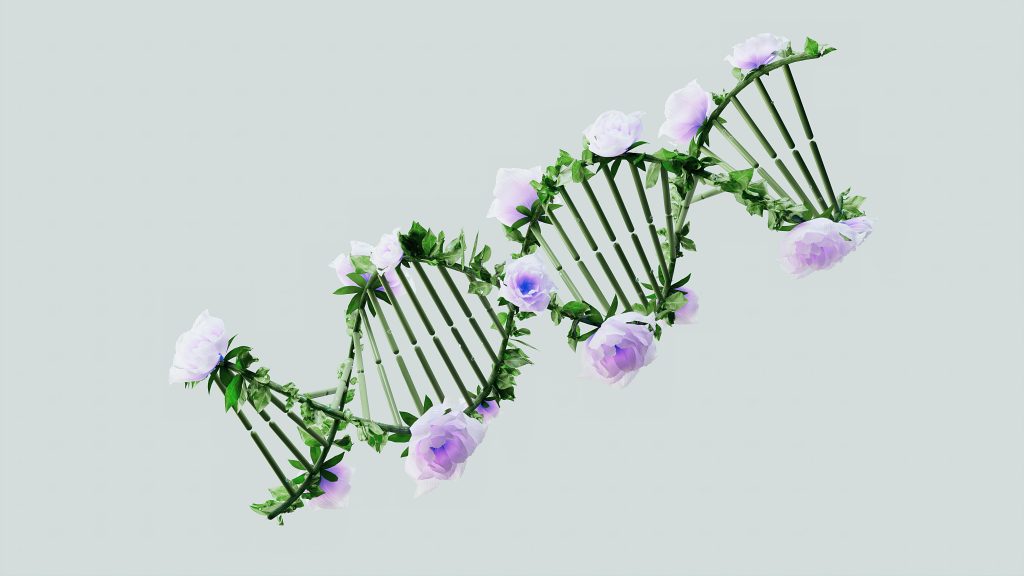
Family history writers must grapple with changed storylines when DNA testing reveals surprises. Ancestry tests can uncover long-lost relatives, unexpected parentage, or origins very different from those preserved in family lore. These discoveries can be liberating and astounding. But they can also feel like a betrayal—a fissure that rips a family’s perceived identity apart.
Today, family historians, in addition to gathering photos, letters, and documents, must learn to incorporate lab reports into their narratives. DNA testing has the potential to change relationships, shift a sense of belonging, and redefine how heritage is understood.
For writers, the challenge is enormous. How do you fold these discoveries into narrative without turning a life story into a lab report? How do you honor the old stories that shaped generations while acknowledging the science that complicates them? The answer lies in craft—strategies for weaving memory with data, emotion with fact, and compassion with clarity.
DNA discoveries rarely land gently. A family story that once felt solid suddenly has cracks running through it. Those fractures don’t erase the past. Instead, they force you to look at it differently.
For the writer, the task is holding the tension between memory and evidence, grief and wonder, silence and revelation. The goal is to put all of it on the page without losing its human weight.
The Power and Shock of DNA Testing
When people send off a vial of saliva to a DNA testing company, they usually expect confirmation of what they already believe. A little more detail, perhaps. But not a fundamental reordering of their identity.
Yet the reality is often different. These tests have revealed half-siblings born of long-hidden affairs, unexpected fathers, and ancestry results that contradict family lore. Some discoveries bring joy and connection; others spark confusion and grief. Many leave a family in a swirl of both.
Primo Levi once wrote:
“The memories which lie within us are not carved in stone; not only do they tend to become erased as the years go by, but often they change, or even increase by incorporating extraneous features. We all carry within us a museum of our own past, and like any museum, it is a place both of truth and of imagination.”
DNA testing throws open the doors of that museum. Sometimes the exhibits we thought were permanent turn out to be rearranged, mislabeled, or incomplete. The shock lies not only in the data but in how it collides with the stories we have always told ourselves.
The job of the family historian is not to protect the reader from the shock. It is to record it as it happens. DNA revelations echo and unsettle. The writer’s job is to capture that experience without sensationalizing it. Family historians who embrace both the shock and the possibility will write histories that are truer to experience.
Writing Through Revelations
Family historians face many challenges. Perhaps the most difficult is the moment when lore and science collide. Generations of saying, “It’s in the genes,” can make family narratives feel like genetic fact—until a DNA test arrives and upends the story.
Now what do you write?
Narrative craft becomes vital in such moments. The impulse to throw out the old story and replace it with the new one is exactly the wrong approach. You can write both. Begin with the family story as you learned it. A story told across generations still deserves its place, even if it is more fiction than fact.
When a DNA revelation comes to light, it does not overwrite the older story. It complicates it, makes it more interesting, and may require adjustment. History is always evolving. Honesty is not always the first reflex of writers. But readers—including future family members—will thank you for your transparency.
These are emotional journeys. DNA revelations challenge not just facts but loyalties. They often cause grief or shame. You honor the full impact of the experience when you document not just the result but its secondary and tertiary ripples. By writing through it—describing the before, the after, and the murky middle—the reader can accompany you on the journey.
Weaving DNA into the Broader Story
Once the initial shock of a DNA discovery settles, the question becomes: how does this revelation fit into the broader tapestry of family history?
The risk is letting the new information dominate the narrative, turning the story into a tale of one discovery instead of a reflection of an entire lineage. The better approach is integration. A DNA result is one thread among many—not the whole story.
Marilynne Robinson, in Gilead, wrote:
“Memory is the sense of loss, and loss pulls us after it. Things that once were, are no longer, and the remembering of them is itself a kind of presence. It means the past is never really gone.”

Even when DNA challenges family lore, memory remains vital. The old story is not erased simply because science adds a new layer. Both coexist, shaping how the family understands itself.
Practical strategies help weave DNA revelations into narrative without overwhelming it. Treat the discovery as a turning point rather than the centerpiece. If a test reveals an unexpected ancestor, let that moment pivot the story. It can send the writer on a new research path—uncovering traditions, geographies, or histories previously unknown.
If a revised ethnic identity emerges, use it to expand the cultural dimension of the narrative. New foods, customs, or languages now belong to the family’s heritage.
DNA can also illuminate the present. A health trait revealed by testing might explain an ancestor’s struggles while prompting present-day family members to think differently about their own well-being. DNA becomes not just information but interpretation, linking past and present through human experience.
And don’t shy away from emotion. DNA results can deepen empathy, spark grief, or foster pride. Writers should capture not only the data but the feelings that accompany it. Memory ensures that even “inaccurate” stories retain meaning—they shaped generations and deserve to remain part of the record. Writing memory and discovery together preserves the full truth as a layered conversation across time.
Ethical and Emotional Dimensions
Family history writing already carries emotional responsibility. Add DNA revelations, and that responsibility grows. Suddenly, you are not only telling stories about the past but exposing living truths that may reshape relatives’ lives.
The question is not just “What do I know?” but “What should I share?”
Research into the psychological effects of unexpected DNA discoveries is sobering. Studies of adults who learned a presumed father was not their biological parent found that the revelation often triggered identity crises, depression, and profound family conflict. Even findings that seem less disruptive—new ethnic origins or distant unknown cousins—can reshape a person’s understanding of heritage and belonging.
For writers, this raises ethical questions. How do you write responsibly about information that could destabilize others? Consent is the natural starting point. If a revelation involves living relatives, consider their wishes before including sensitive details.
Privacy is another important factor. Anonymizing or withholding information that could cause harm—particularly around health traits or hidden parentage—may be wise. Transparency with readers helps: you can acknowledge that some details have been omitted or altered for ethical reasons while still honoring the truth of the discovery.
Family conflict is another reality. DNA revelations can create rifts. Siblings may disagree about pursuing contact with newly discovered relatives, or older generations may resist evidence that contradicts long-held beliefs. Writers cannot resolve these conflicts but can record them honestly and compassionately. Family history is about more than ancestry; it is also about the lived dynamics of those who inherit it.
Most importantly, resist the temptation to rewrite history as if the old story never existed. Both the “before DNA” narrative and the “after DNA” revelations deserve space. To erase one for the other is to distort the truth. Honoring both acknowledges the complexity of family identity—its myths, silences, and scientific surprises.
Ethical family history writing balances clarity with compassion. DNA discoveries may change the story, but they demand even greater care—not only for accuracy but for the humanity of those who live with it.
Family History is a Living Narrative
DNA discoveries remind us that family history is not a closed book but a living story, rewritten as new information emerges. At times, revelations confirm what we believed; at other times, they unsettle, complicate, or overturn the stories passed down through generations.
The task of the family historian is not to decide which version is “truer.” It is to honor both—the story memory preserved and the one science reveals.
By approaching these discoveries with care, writers can transform disruption into depth. A hidden sibling, an unexpected heritage, or a surprising health trait does not erase the family’s past. It enriches it, layering new meaning onto old narratives. The result is a history that feels more complete, more human, and more honest.
This is the gift of weaving DNA into family storytelling. It acknowledges that identity is never fixed. Memory and science are both part of the inheritance we pass on. Family history becomes less about pinning down a single truth and more about recording the evolution of understanding. Each revelation reminds us that families, like rivers, are always in motion, carrying memory and story forward.
Writers who embrace this dynamic create a legacy of honesty and empathy. They show future generations how to navigate complexity with courage. In the end, the work is about preserving voices, honoring memory, and recording discovery with integrity.
If you are unsure how to navigate this balance or fold DNA revelations into your family story without losing clarity or compassion, you don’t have to do it alone. At The Writers For Hire, we help families capture their histories in ways that honor both fact and feeling. Whether you need guidance with structure, sensitivity in handling revelations, or a partner to bring your story to life, we’re here to support you. Reach out, and together we can ensure your story is preserved with the depth and care it deserves.