

What’s the first thing you think of when you hear the words “case study”?
If you said dry and boring, you’re not alone.
Case studies are a primary form of content marketing. They’re widely used by companies in virtually every industry. They can be very effective at attracting and converting prospects.
A case study proves the effectiveness of your product by demonstrating real-life results. By showing how your product, process, or service solved a problem for an actual customer, you give prospective buyers persuasive evidence that you can help them, too.
The traditional case study format is typically presented in four segments: Customer, Challenge (or Problem), Solution, and Results. While there’s nothing wrong with the classic formula, you can attract a wider readership with some added creativity.
With all the competition for readers’ attention out there, it takes a lot more than the standard format to attract their interest. To be effective, a case study should be presented as a compelling story from a credible, relatable source, someone your reader sees as a peer. And in our image-driven world, it should be visually appealing.
It’s all in the delivery. In this post, we’ll look at some creative ways to write case studies that your readers can’t wait to read. We’ll include some inspiring examples and a template to guide you when you’re ready to write your own.
Give It a Compelling Title
Instead of simply calling it a “Case Study”, spark your reader’s curiosity and interest with a more interesting title.
Here are some tips:
- Call it a “Success Story” or “Customer Story”. This is a good example that also includes the result in the title—without mentioning the company that provided the solution.

- Use a hook like the word “how” and tease the result. Here’s an example.

- Use a direct quote for the title, as in this example. Include a one-sentence summary as an explanatory subhead immediately following the title, for example, “How Company X Increased Monthly Blog Traffic 500% in 18 Months”.
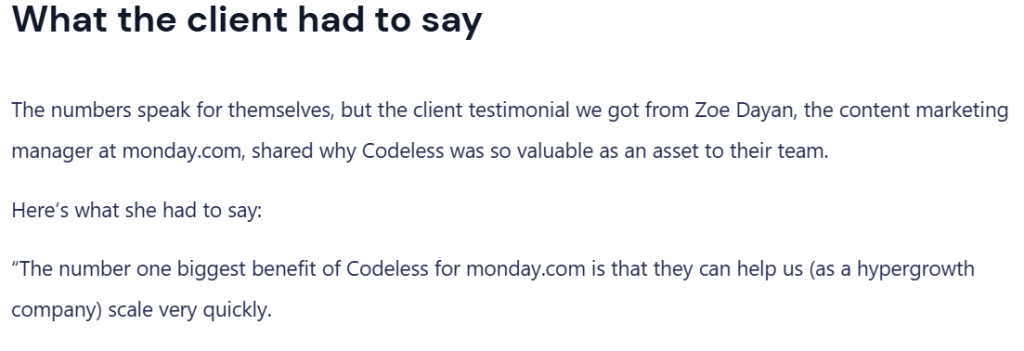
- Leave your company name out of the title and weave it into the narrative.
Summarize Key Takeaways Upfront
Include a prominent “snapshot” of the case study results at the beginning. This immediately puts the focus on your client and tells readers what they’ll learn. You can do this with:
- A one-line text summary immediately following the title, as in this example
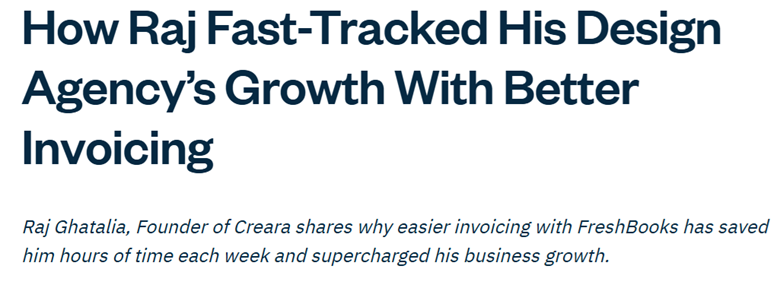
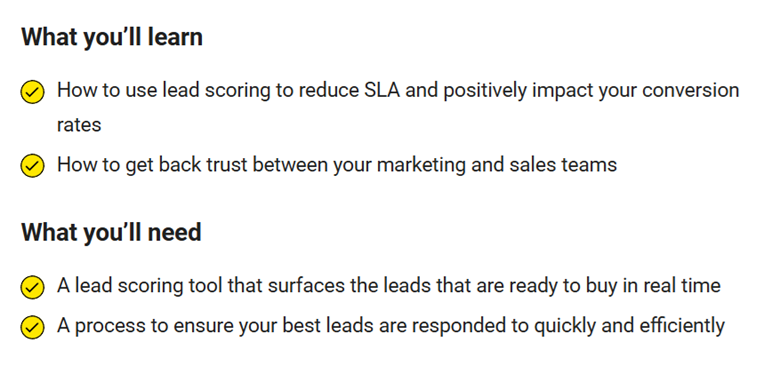
- A bullet-point “what you’ll learn” like this one.
- An at-a-glance summary like this one

You can also create a one-page pdf of the summary as a lead magnet prospects can download from your site.
Use Descriptive Subheads
Avoid using the standard one-word headings like Background, Customer, Challenge, Solution, etc. Use descriptive subheadings that draw your reader through the story, as in this example.
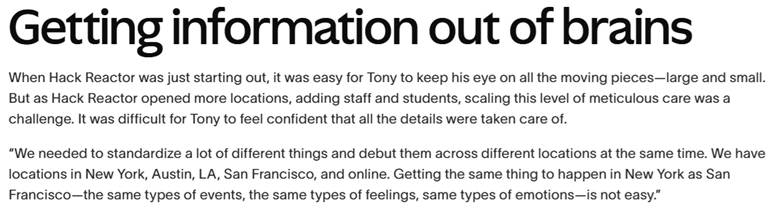
Focus on a Person or a Role, Not Their Company
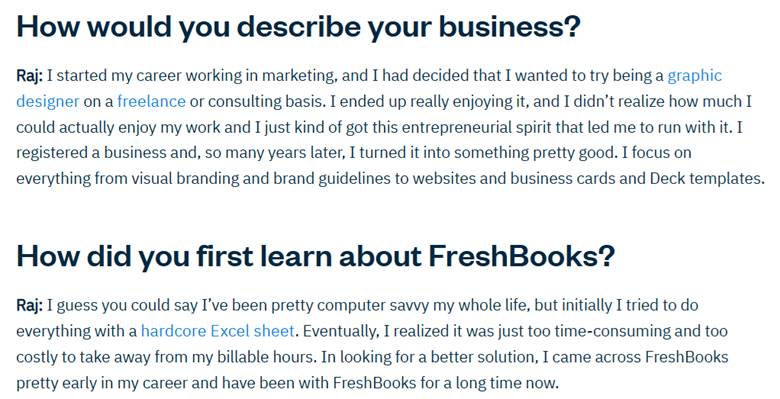
Write your case study from the perspective of the customer to make it more personal and engaging. One good way to do this is with an interview or Q&A format. Your reader hears directly from your customer about their success with your product, as if they’re having a conversation with a peer.
Here’s a good example of an interview format.
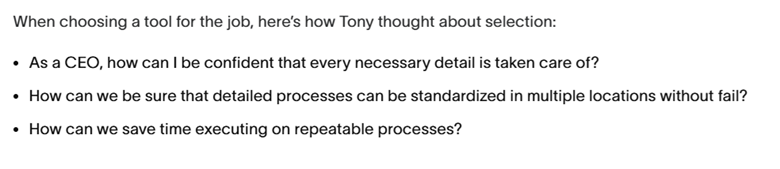
This example focuses on the CEO and features direct quotes throughout the case study.
Be sure to include a photo and a pull quote if possible. Here’s a case study that does this a nice job of this.

If you can’t use your client’s real name, consider using a pseudonym with the appropriate disclaimer that the name has been changed for privacy reasons. You could also simply identify the person’s role (Director of Marketing, for example) — again, telling the story from that user’s perspective.
Talk Directly to Your Reader
Typical third-person narratives sound more formal and tend to distance your reader. Instead, write in the first and second person to make it more direct and relatable, so the reader immediately feels like they’re connecting with a real person.
Write clearly and simply. Use conversational language and short paragraphs. Avoid long, complex sentences and jargon. Write as if you’re simply talking to your prospect, sharing an experience you had that could benefit them.
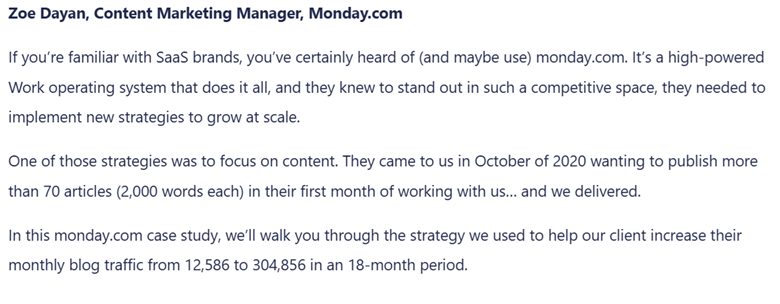
This case study does a nice job of talking directly to the reader in the second person. With this kind of writing, your reader immediately feels they’re part of the conversation.
Tell a Great Story
Case studies are a form of marketing, and effective marketing is essentially storytelling that inspires action. Rather than talking about your company, give your readers a compelling, relatable story about a customer in a similar situation who successfully solved a problem using your product. Ultimately, your case study is a story, and a good story needs a captivating plot.
Make your case study engaging and memorable by using narrative elements. By structuring it as a story – with a clear beginning that presents the challenge, a middle that describes the obstacles, and an end that reveals the solution and results – you help readers connect emotionally with the content.
The better the story, the better your case study will be.
Here’s a good overview of how to use storytelling elements to write a great case study.

Show, Don’t Tell: Make It Visually Appealing
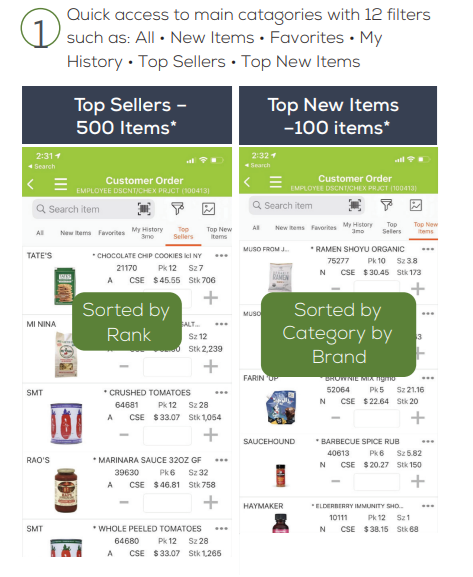
Avoid using a text-only format, which won’t capture and hold reader attention. Instead, use a template with graphics. With the huge variety of visual case study templates available online, your case study can (and should) be beautiful and compelling.
Break up blocks of text with subheads and bullet points for easier reading. Use graphic elements like:
- Color
- Infographics
- Sidebars
- Icons
- Diagrams and flowcharts
- Photos
- Video/multimedia
- Pull quotes
- Summary boxes to highlight quantifiable results like percentages, dollar amounts saved, etc.
Most available templates are customizable, and many are free. A Google search for “case study templates” will turn up a huge range of options. HubSpot, Storydoc, and Canva are also good resources.
No single format works for all case studies. You can choose a traditional or more creative presentation depending on your industry and your reader.
This is a good example of a format that uses graphics effectively.
Use Direct Quotes and Pull Quotes
First person quotes personalize your case study by connecting it to a real person. For your reader, hearing directly from another customer in their own words makes it relatable and relevant. Include quotes from your client throughout the story to highlight key points.
Quotes can also double as visual elements. Include a photo of the person you’re quoting with the quote itself as a prominent call-out. Here’s a good example.

Highlight Key Turning Points
What were the critical moments in the solution-seeking process? Did anything unexpected happen along the way?
A turning point might also be a new awareness or understanding that emerged during the process. Highlighting a moment of insight in a case study adds depth and complexity to your story and creates interest for the reader. It also shows how you and your client collaborated to strategize and find solutions.
Specify the Features That Convinced Your Client to Choose Your Solution
Why did your customer ultimately choose your solution? What specific features drove their decision? This helps your audience understand how a solution was found and how they can potentially go about finding one of their own.
It also positions your case study client as a mentor, allowing them to share valuable insights and recommendations with other companies based on their experience.
Here’s a case study that does this effectively, using the customer’s own words.

Highlight the Results and Their Impact
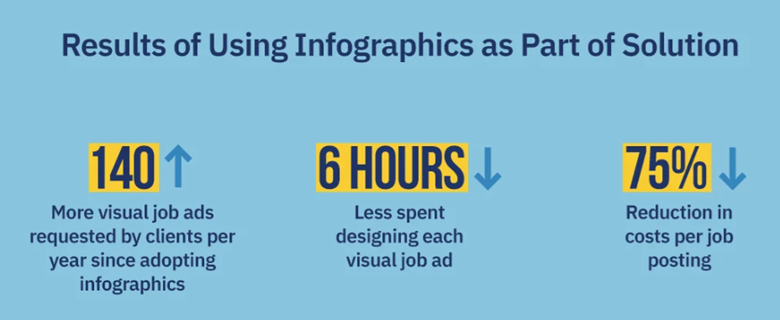
Close out your case study with the tangible, positive results your client achieved. Showcase this visually in a box or other graphic format. Show stats like percentage increases, dollar amounts, etc.
This case study features a good example of quantifiable “by the numbers” results.
Include FAQs
Develop a short, impactful list of FAQs with answers that highlight your product features and benefits. Determine what concerns and issues your target customer has and formulate the questions around those.
Reference and/or quote the customer featured in your case study, reminding your reader of the real person who succeeded with your product. Wordsmith the questions to ensure they’re interesting and spark curiosity about response.
End With a Call to Action
It’s one of the golden rules of marketing: Always tell your reader what to do next. Include a CTA at the end of your case study to direct readers to a landing page, sales page, and/or contact page.
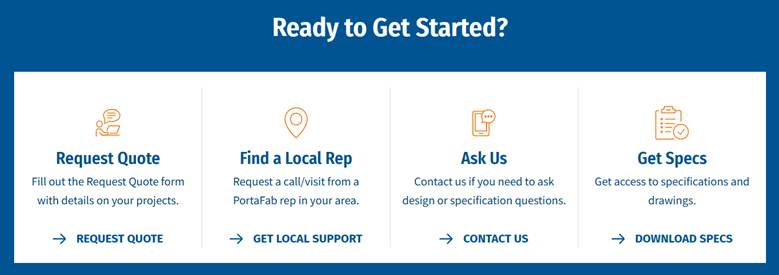
Make it stand out by using a box or other visual element.
You can also use the CTA to offer a free download or a demo, for example, to encourage your reader to take the next step.
Here’s a good example of a call to action that includes specific options for the reader.
How Long Should It Be?
500 to 1500 words is a good length to shoot for. Include a prominent “snapshot” section of 100 words or less (see above). The results and benefits should take up most of the word count.
Keep It Simple
A case study doesn’t have to be long or complex to be effective. Don’t use more words than you need. Let your data, images, and quotes do the talking.
Make Your Customer — Not Your Company — the Hero
Good case studies aren’t about your company. They’re about the customer’s journey to a satisfying solution. You’re the supporting character in the story, not the hero. Your company should always be positioned as the guide who helped the real hero—your client—overcome their challenge.
A well-written case study helps your reader visualize themselves as the hero of their own story.
If you do that successfully, you’ll create an inspiring case study that delivers real value.
| Ready to turn your customer success into a powerful story? Contact us today to get started — we’ll help you craft stories that resonate and drive results.. |