
How to Choose the Right Tool for Your Business
For content creators, marketing professionals, and technical teams alike, the ability to produce high-quality visuals on demand has become an indispensable part of modern communication.
Whether you’re building a website, drafting a presentation, or enriching a corporate white paper, visual content carries much of the emotional and informational weight.
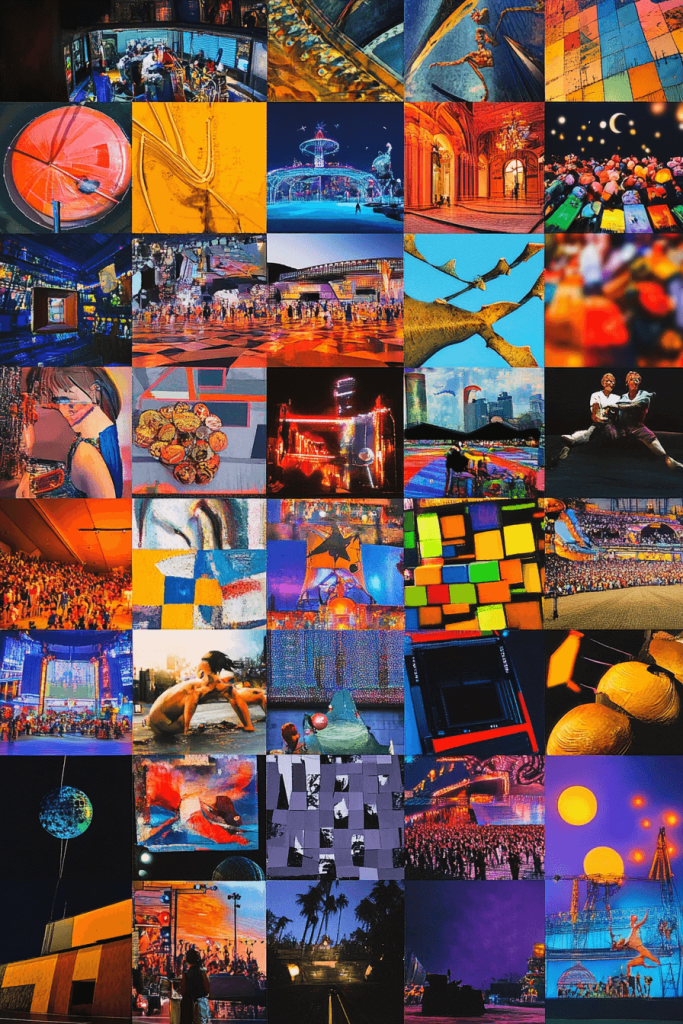
Over the past two years, tools like Midjourney, DALL·E, and Adobe Firefly have redefined how images are created, edited, and deployed.
What began as a fringe technology fueled by curiosity has evolved into a category with millions of users — blending art, software engineering, and machine learning.
These tools can generate illustrations, portraits, product mockups, landscapes, and surreal compositions, all from a short text prompt.
The speed, versatility, and creativity of these platforms are deeply impressive, but they also raise complex questions around licensing, ethics, and reliability.
Before selecting a tool or recommending one to clients, it’s important to understand what these platforms do well, where they fall short, and how their outputs can legally and responsibly be used.
Not all image generators are created equal — some emphasize artistic range, while others specialize in realism or technical precision. A few are built for integration with enterprise platforms, while others are optimized for accessibility or open-source development.
Let’s take a closer look at the major players in this space, compare their features and limitations, and explore how to use them intelligently in a professional context.
Major AI Image Tools in 2025
The AI image generation landscape in 2025 includes a mix of proprietary platforms, open-source engines, and hybrid models tailored to different user needs. Some prioritize accessibility and aesthetics, while others focus on technical control or seamless integration into creative workflows.
DALL·E 3 (OpenAI)
Built into ChatGPT‑4o and accessible directly through the ChatGPT interface, DALL·E 3 remains a popular choice for users who want tightly aligned visuals without leaving their writing environment.

Its strength lies in natural prompt interpretation, handling nuanced instructions with surprising accuracy.
It also includes basic inpainting and image-editing features, allowing users to modify specific portions of a generated image.
However, DALL·E’s output comes with licensing restrictions. As of mid-2025, commercial use is allowed only under specific terms in OpenAI’s user agreement, and outputs may be reviewed for policy compliance.
Users must avoid replicating identifiable individuals or copyrighted brand elements.
Midjourney (Version 7)
Known for its highly stylized output, Midjourney is the preferred tool for users seeking cinematic, surreal, or painterly aesthetics.

Artists and marketers often favor its bold use of lighting, composition, and imaginative interpretation.
Unlike its earlier Discord-only versions, Midjourney now supports a browser-based interface with preview galleries and direct prompt editing.
Despite its visual appeal, Midjourney faces increasing scrutiny. Ongoing lawsuits concerning training data sources have raised concerns about the use of copyrighted material.
While the company maintains that its dataset was legally sourced, users are advised to avoid client-facing projects unless they understand the potential IP exposure. For internal concept art or brainstorming, however, it remains a top-tier tool.
Stable Diffusion / SDXL (Stability AI)
As an open-source diffusion model, Stable Diffusion offers users full control over generation. It can be downloaded and run locally, integrated into custom pipelines, or accessed through third-party platforms.
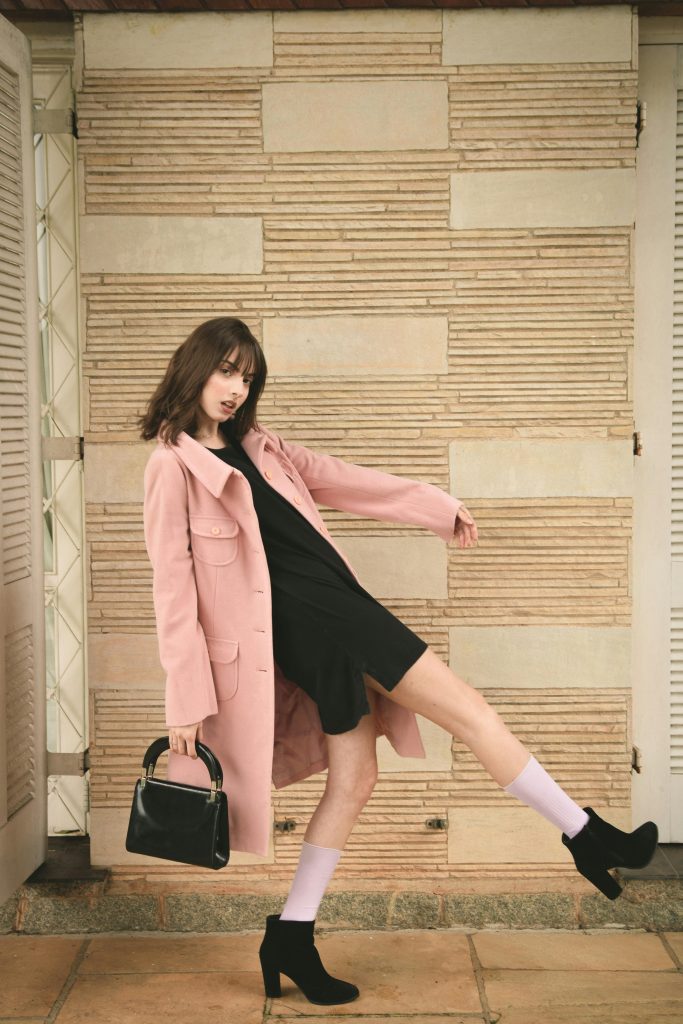
SDXL, the latest version, improves resolution, coherence, and photorealism compared to earlier releases.
Developers and technically inclined creators value its transparency and modifiability.
With that flexibility comes complexity.
Local deployment requires a capable GPU and some technical expertise.
Output quality depends heavily on the model version and prompt syntax used.
Licensing concerns also exist, particularly for commercial projects, though users can train custom models on proprietary datasets to ensure clear IP boundaries.
Adobe Firefly
Adobe’s generative image engine is integrated into tools like Photoshop and Illustrator, offering seamless workflows for creative professionals.
Firefly focuses on editable graphics, text effects, background expansion, and composite imagery, making it ideal for brand and design work. Adobe has trained the model on licensed content and publicly available datasets, so its outputs are considered safe for commercial use.
This licensing clarity is a major advantage, especially for teams producing ads, packaging, or branded content.
Firefly also includes content attribution features, which help track generative assets across projects.
While its results may be less surreal than Midjourney’s, they are generally more reliable for design consistency and legal peace of mind.
Flux AI (and Other Emerging Models)
Flux models have quietly gained traction among advanced users for their high-resolution rendering and customizable API integration.
Originally designed for academic and enterprise experimentation, Flux now supports commercial deployment through tiered licenses.
The Pro version includes features such as style transfer, image-to-image prompts, and ultra-fine control over color and form.
Other emerging tools — including Ideogram, DeepSeek Janus Pro, and Google’s Imagen — are expanding the field, with each optimized for niche needs such as text clarity, dataset transparency, or multilingual prompt handling.
Some remain in closed beta, but their influence is growing as businesses look beyond headline tools for scalable alternatives.
Quality, Energy, and Copyright
The surge in demand for AI-generated imagery has prompted independent testing, regulatory attention, and industry research into performance and impact. These reports provide essential context for professional use.
Output Quality
Prompt fidelity and image quality are key concerns.
- Can the model interpret complex prompts accurately?
- Can it maintain stylistic coherence across different subjects?
- Can it handle small details like text or perspective?
Energy Efficiency
Environmental impact is an emerging consideration.
Some models consume up to 46 times more energy per image than others at the same resolution, depending on their architecture and hardware efficiency.
DALL·E 3 and Firefly perform well in low-power scenarios, while locally hosted Stable Diffusion requires more user optimization.
Legal Liability
Legal questions are still evolving. Class-action lawsuits — particularly against Stability AI and Midjourney — raise concerns about the reuse of copyrighted training data.
While outputs are technically AI-generated, they may still resemble copyrighted material or identifiable people, triggering potential IP risks.
Adobe offers strong commercial guarantees for Firefly, while OpenAI enforces policy compliance through content moderation. However, final responsibility lies with the user.
Choosing Tools and Understanding Limitations
Each tool has unique strengths and is suited to different workflows:
Content Marketing Teams
- DALL·E 3 is ideal for blog illustrations, technical diagrams, and internal training visuals due to its prompt fidelity.
- Adobe Firefly offers integration within Creative Cloud for teams working on branded content that must meet commercial standards.
Creative Development & Concepting
- Midjourney excels at attention-grabbing visuals for concept art, prototypes, and campaigns. It’s better suited for internal use than public deliverables due to ongoing legal ambiguity.
Internal Tech Teams
- Stable Diffusion and Flux allow for customization and can be trained on proprietary datasets. These tools are ideal for niche visual data, but require technical expertise and careful IP management.
Copyright and Licensing
Licensing is a key differentiator.
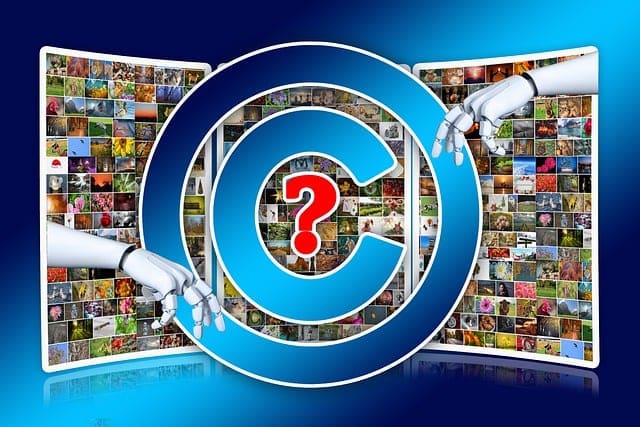
Many tools restrict the generation of celebrities, logos, and trademarked content.
Some require attribution or prohibit redistribution.
Teams planning business use must be prepared to document the origin and compliance of generated assets.
Size and Scalability
Some tools are free to use locally, while others have limits based on subscriptions or hardware.
Teams producing high volumes — like for e-commerce catalogs or learning platforms — must consider processing efficiency. Hybrid workflows, using fast and reliable models for bulk tasks and more creative tools for special visuals, are often most effective.
The Right Tool for the Job
The field of AI-generated imagery is expanding rapidly. The best tool depends on your business goals, legal requirements, and creative needs.
Key Takeaways:
- AI image generators use massive datasets to create visuals based on prompts, typically via diffusion models.
- DALL·E 3 and Adobe Firefly are best for practical, legal-safe applications.
- Midjourney delivers stunning art but comes with licensing concerns.
- Stable Diffusion and Flux offer control and customization for tech-savvy users.
- Variability exists across platforms in energy use, image accuracy, and copyright clarity.
- Licensing risks remain—outputs resembling real people or trademarks may not be legally safe.
- Efficiency matters at scale; production teams should factor in performance and cost.

Used thoughtfully, AI image tools offer powerful ways to create, customize, and communicate visually.
But success depends on informed decisions, legal awareness, and responsible integration.
As the technology evolves, those who approach it strategically — not just as a shortcut — will unlock its full potential.