

How do you write a biography for a beloved family member that captures their unique life and spirit?
We’re all familiar with the standard “born, lived, died” sequence of a typical biography. But real lives rarely unfold in perfect order.
The stories we preserve about those lives should reflect the unique passions and experiences that define the essence of our family member.
In this post, we’ll explore imaginative, nonlinear ways to write a biography that doesn’t follow a chronological structure. Instead, these approaches connect with readers by presenting the subject’s life as a gallery of defining themes and moments, creating an authentic portrait with emotional resonance.
14 Creative Ways to Write a Loved One’s Biography
1. Memory Mosaic
One way to tell a life story is to create it from short, self-contained vignettes — snapshots of moments, places, or relationships.
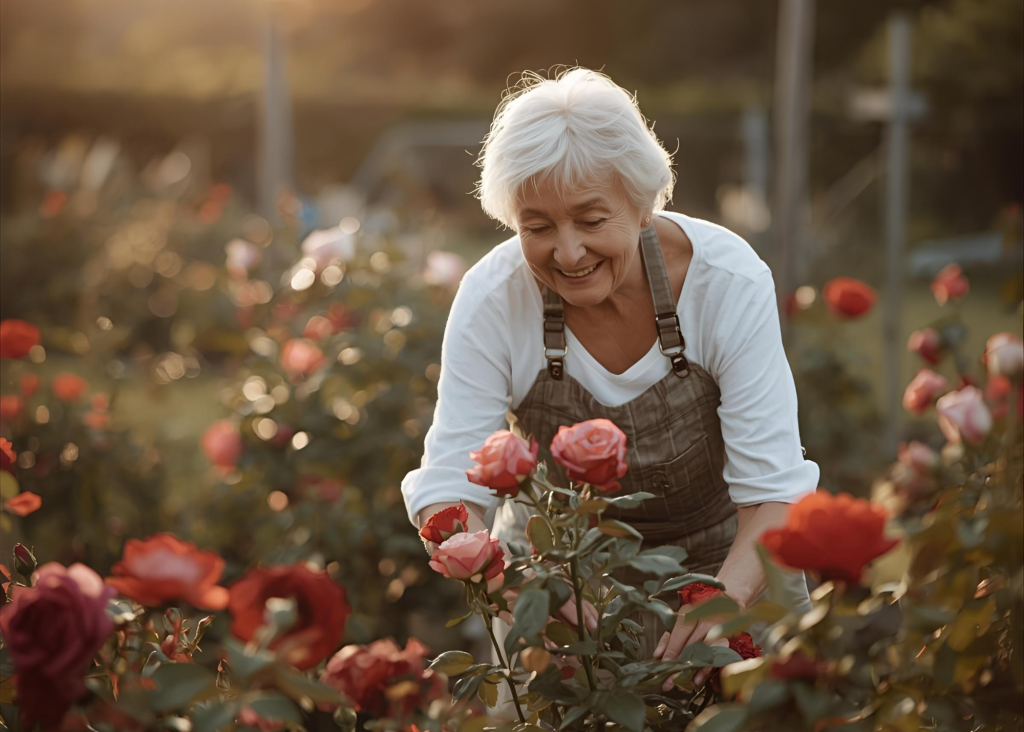
For example, you might depict your grandmother’s life through her beloved kitchen, garden, and sewing room, each revealing a different aspect of her personality.
Maybe she was a stern taskmaster when she cooked, but relaxed and playful in her garden.
By mixing scenes that show her various moods and personas, you create a colorful “mosaic” that reflects the fullness of her life.
2. Thematic Braiding
Instead of organizing by years, you can organize a story around themes like resilience, adventure, creativity, or love.
Imagine telling the story of a father’s life through his passion for surfing, woodworking, and devotion to family. These themes become the threads that run throughout the narrative.
Stories from different eras of his life show how those themes remained constant across time — from the time he carved his first wooden toy as a boy until he built a sailboat in his retirement.
3. Reverse Chronology
Another approach is to start with a present-day milestone and work backward.
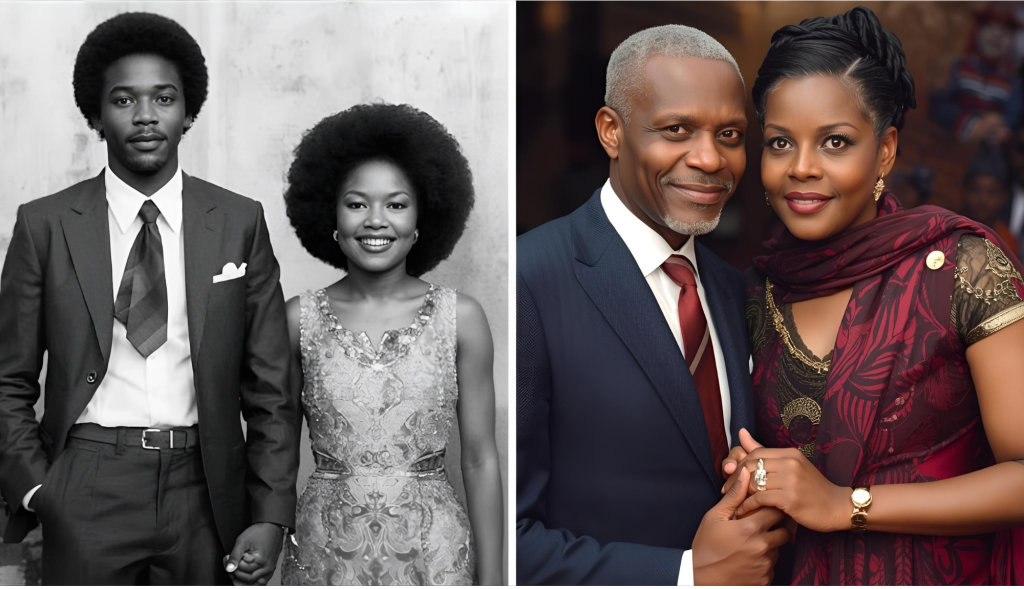
You might open with a couple’s 50th wedding anniversary, then trace their story back to their very first meeting.
This format works especially well when the ending is surprising or poignant. Perhaps the couple were unsure about each other when they first met, which makes their long marriage all the more remarkable.
You might open with a couple’s 50th wedding anniversary, then trace their story back to their very first meeting.
4. Milestone Anchors
Major life events can serve as anchor points for your story. Your sister’s life, for instance, could be told through her five moves to different cities, with each move marking a new chapter in her journey.
The anchors might be big events like marriage or migration, or smaller but still transformative moments, like a first job or a chance meeting that led to a lifelong friendship. Maybe her first boss was so difficult she wanted to quit, but later became an influential mentor.
5. Parallel Lives
Sometimes the most powerful way to tell a story is by setting two lives side by side.

You might interweave your mother’s young adulthood with your own, for instance, showing the similarities and differences between your generations.
At 30, she might have had three children under five; at 30, you might have been launching a high-powered career.
This approach also works when you place your subject’s life alongside another family member’s — like your mother’s and her sister’s — or even a well-known figure from the same era.
The life of your seventies-era feminist mother might parallel that of Gloria Steinem, for example, but offer a striking contrast in the way their shared ideals were expressed in two dramatically different lives.
6. Object- or Heirloom-Centered Storytelling
Objects hold stories, too. Structuring a biography around meaningful possessions can unlock the rich, complex histories all lives contain.
The pocket watch passed down from your great-grandfather, for instance, might serve as the centerpiece for stories about his immigration journey.
You can bring these stories to life with photographs and detailed descriptions of the special objects that represent your family member’s life. Maybe the watch has an engraving, a cracked face, or a tiny photo concealed inside — all details that enrich the larger narrative.
7. Place-Based Portrait
You might also frame a biography around significant locations.
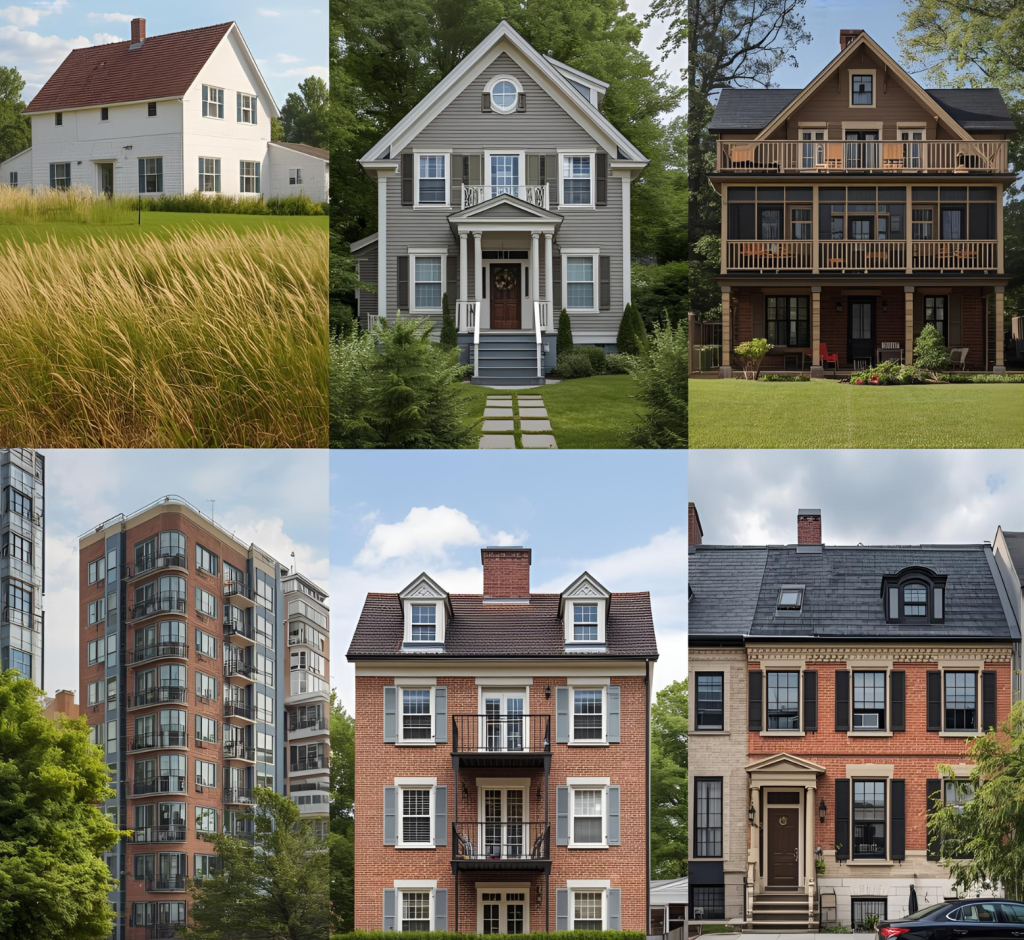
Your peripatetic uncle’s life might be told through the six homes he lived in, from a rural farmhouse to a city high-rise.
The key is to use details specific to each time and place to evoke the different eras of his life.
If he lived in Manhattan’s West Village in the eighties, for instance, what was that neighborhood like at the time?
Vivid settings draw readers directly into his lived experience.
8. “Web” Structure
With a web structure, you choose a central hub — a passion, career, or defining identity — and build stories around it.
A professor’s life might be told through her students, colleagues, and adventures, with the narrative unified by her love of teaching. Perhaps she developed educational programs abroad and even met her husband that way.
The central theme creates cohesion even as the story spans time and geography.
9. Hybrid Genealogy
Sometimes the best way to tell a life story is to combine narrative with artifacts.
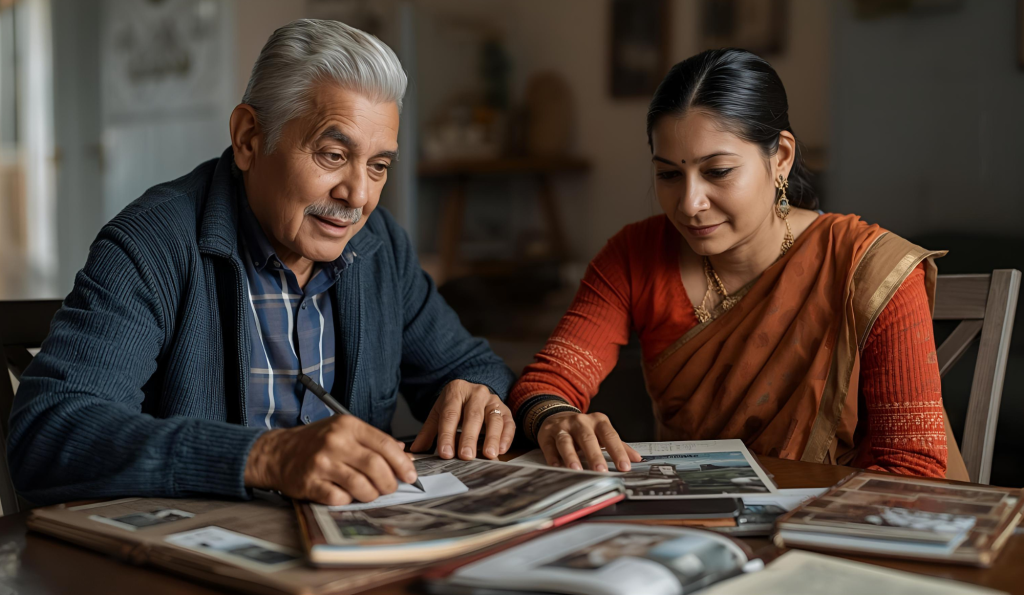
A hybrid genealogy could include things like diary excerpts, scanned letters, old photos, and even recorded family memories.
This mix of voices and formats brings a life to the page with texture and depth.
You might include the cover of your mother’s beloved cookbook, the holiday letters she sent every year, or a handmade Mother’s Day card from your brother.
10. Anthology-Style Collection
Another option is to invite contributions from multiple family members. Choose a memory everyone shares — like a summer at the lake cabin — with each person offering their own perspective.
You could also collect favorite memories from each family member and weave them into a collage. One sibling might recall your father teaching him to drive, while another remembers the time he was furious when she stayed out too late. Taken together, the different recollections create a fuller picture and a compelling story.
11. Oral Histories
If possible, capture the story in your loved one’s own words — or those of family members.

Consider preserving the story of your grandfather’s life through in-person interviews and conversations with him.
Use the prompts to spark memories and reveal unexpected sides of the story.
While everyone might remember Grandpa’s joy in picking out the family Christmas tree each year, one sibling might recall being afraid of his dark attic office.
It’s not uncommon for family members to have very different memories of the same experiences.
The various perspectives create an intimate, dimensional family story.
12. Generational Portraits
Photographs across generations are a powerful storytelling framework.
Imagine a coffee table book with portraits from four generations, each one paired with a short reflection.
The images might highlight recurring traits and passions like an obsession with golf or home improvement, a love of cars or certain clothing styles, or even the family’s long-running affection for dogs, which appear in nearly every photo.
13. Geographical or “Geocaching” Map Narrative
Maps are a great way to anchor stories in place and time.
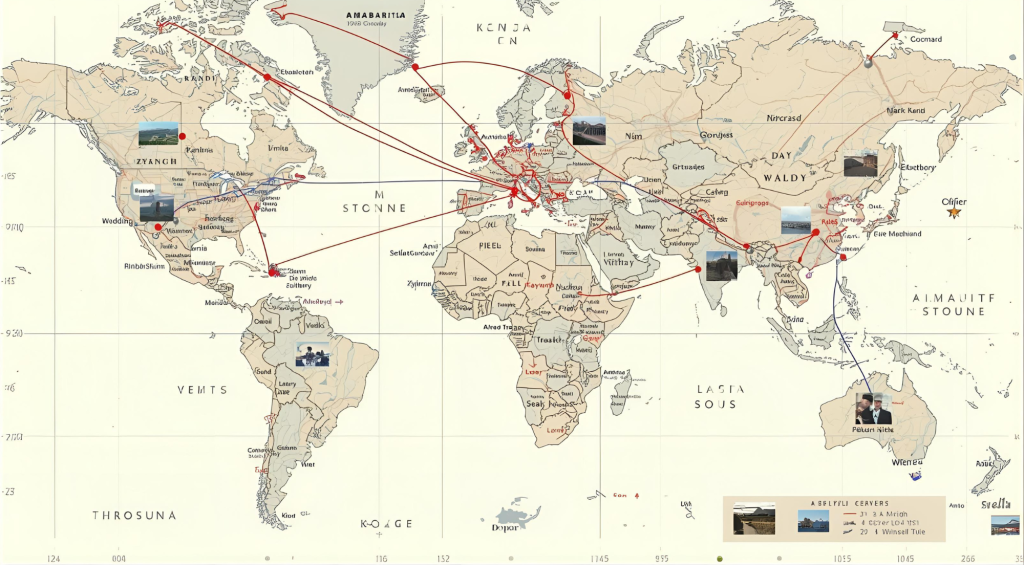
You can create an interactive map that marks migration routes, birthplaces, wedding sites, and favorite gathering spots, with each point linked to stories and photos.
This is an ideal approach for families with rich migration histories or multiple home bases, where geography itself plays a defining role in the family’s story.
14. Family Calendar or Newsletter Narrative
A recurring family format can also make for a strong narrative. Holiday newsletters or family calendars from across the years, presented in sequence, show how traditions and milestones evolved over time.
This kind of structure creates an authentic family story, highlighting birthdays, graduations, vacations, engagements, and other significant events.
Finding the Right Way to Tell Their Story
Nonlinear storytelling gives you the freedom to move beyond chronological timelines and instead highlight themes, connections, and the authentic life of your family or loved one.
Start by writing down your favorite family memories and stories without worrying about structure. As you gather memories and artifacts, the right structure often emerges on its own.
Let these approaches to biography inspire your creativity. Try experimenting with one or two of them to see which fits your subject best.

Don’t be afraid to combine different formats — real lives are messy, and so are the best stories.
You might end up with a combination of written narrative and artifacts, for example, if that’s the best way to tell the story.
For help defining your structure and shaping your story, you might also consider working with a ghostwriter or family history specialist.
Above all, focus on what made your loved one unique. The goal isn’t to list every fact or event, but to capture their essence so future generations can truly appreciate the life they lived.
| Need help writing your book? Contact us today to learn more about our ghostwriting services. Let us help bring you story to life. |