
So you’ve been diving into your family tree — scrolling through census records, birth certificates, and maybe even uncovering a scandal or two.
You’ve got names, dates, places. You’re doing great. But somewhere along the way, you might’ve noticed something: your story feels kind of… dry. A little meh. And you’re wondering why it doesn’t hit the way you thought it would.
Here’s the secret: you’re missing historical context.
Adding history to your family history is like switching from black-and-white to full-blown HD color. It brings everything — and everyone — into sharper, more emotional focus.
Let’s break it down.
Names and Dates are Just the Skeleton
Think of your genealogy research like building a person from the ground up. The names and dates? That’s the skeleton. It’s necessary, but on its own, it’s kind of lifeless.

For example, let’s say you found out your great-great-grandmother, Anna, was born in 1890 and lived in Kansas. Cool. Now what?
Well, ask yourself this: What was life like for a woman in rural Kansas in the 1890s?
Suddenly, you’re not just staring at a birth date — you’re picturing a young woman growing up on the edge of the American frontier, maybe in a sod house, cooking over a wood stove, dealing with droughts, or possibly even attending one of the first rural schools in the Midwest.
When you add in the world around her, Anna stops being just a name in a chart. She becomes a human being with struggles, joys, and a very different reality than your own.
Imagine Their World
If you want your family history to read like a story instead of a spreadsheet, you need to mentally step into your ancestors’ shoes.
What was going on in the world while they were alive? What events were shaping their choices — often without them even realizing it?
Here are a few examples to show how much a bit of context can shift your perspective:
➤ Immigrant Ancestors
Say your ancestor came from Italy in 1903. That’s not just someone who “moved to America”—that’s someone who left everything they knew because life back home had become unsustainable.
Maybe it was famine. Maybe there were no jobs. Maybe they were fleeing political unrest, religious persecution, or military conscription. Maybe they just wanted a better future for their kids.
But immigration wasn’t just a hopeful adventure — it was hard. It meant:
- Crowded, often unsanitary ships across the Atlantic
- Entirely new languages and customs
- Facing discrimination from Americans who didn’t welcome them
- Grueling, low-paying jobs — often dangerous and thankless
- Cramped housing in immigrant-dense neighborhoods like Little Italy in New York, Pilsen in Chicago, or Chinatown in San Francisco
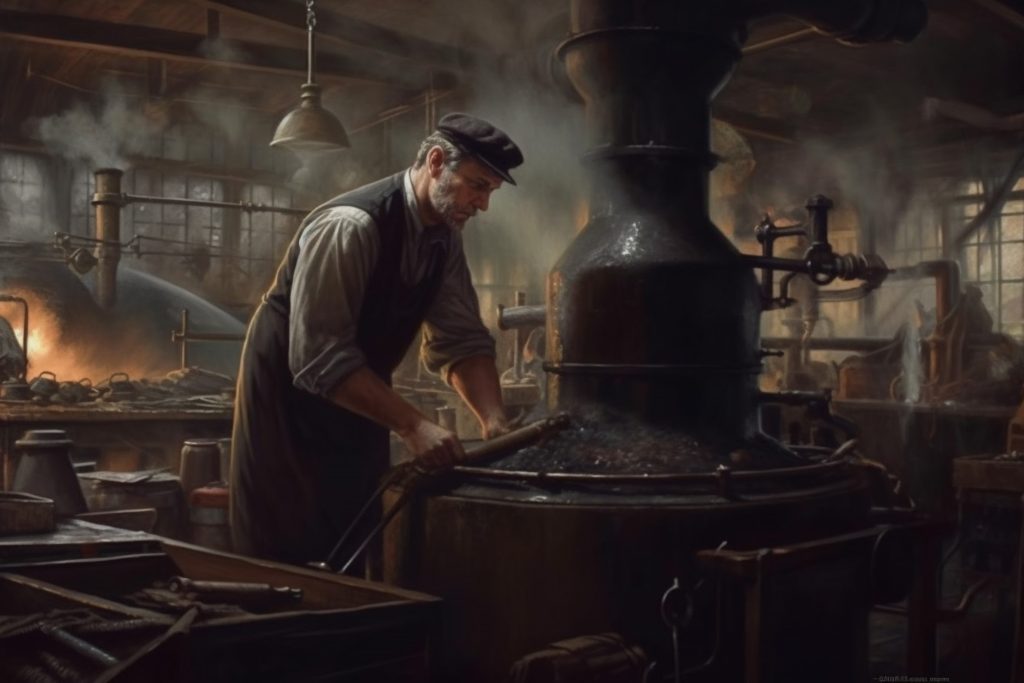
They probably lived in tenement buildings, with no indoor plumbing and way too many people per room. Kids worked. Everyone contributed. Many sent money back to family who stayed behind — remittances that sometimes supported entire villages.
This wasn’t just a relocation — it was a total transformation, often under tremendous pressure.
And this experience wasn’t unique to Italians. The same story threads through:
- Eastern European Jews fleeing pogroms in the Russian Empire
- Irish immigrants escaping famine in the 1840s
- Chinese laborers who helped build the railroads but faced exclusion laws
- Mexican families crossing the border during the Mexican Revolution
- Vietnamese refugees after the fall of Saigon
Each group brought their culture, language, religion, and food — but had to adapt quickly while preserving identity.
Questions to Ask:
- Why did they leave? What was happening in their homeland at the time?
- Where did they settle, and why? Were there existing communities to support them?
- What jobs did they do? Were they able to move up socially — or did they remain stuck in survival mode?
- Did they try to assimilate quickly or maintain old customs?
- How did the next generation grow up — bilingual, bicultural, caught in-between?
When you explore these layers, you realize your ancestor’s “immigration” wasn’t just a line on a census form. It was a high-stakes gamble. A leap into the unknown that shaped every generation after them.
➤ Wartime Service
Your grandfather served in WWII? That’s incredible. But let’s take it beyond the medal or the uniform.
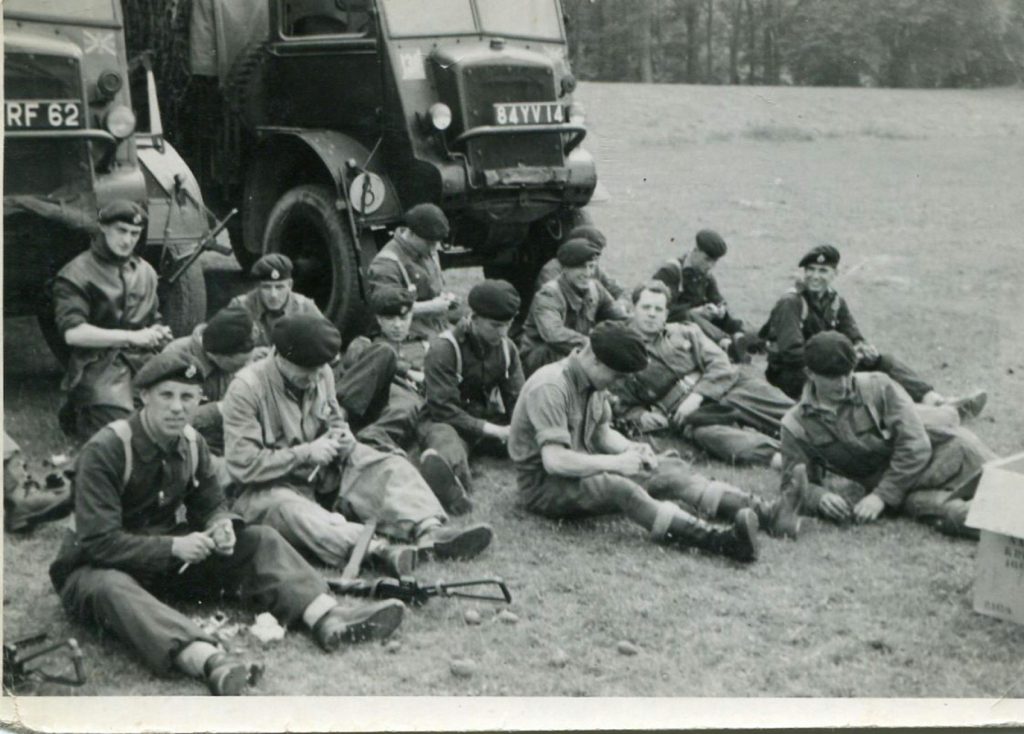
The question is: Where did he serve? What did he experience? Because “served in WWII” is a huge umbrella.
It could mean anything from pushing paper at an army base in Nebraska to storming the beaches of Normandy under a hail of gunfire.
The details make all the difference — and they tell you who your ancestor really was.
Start With the Basics
Begin with what you know:
- What branch of the military was he in? Army, Navy, Marines, Air Force?
- What years did he serve?
- Was he drafted or did he enlist?
- Do you have any photos, uniforms, medals, or military records?
Even a single document — like a draft card, service number, or discharge paper (DD-214) — can lead to a treasure trove of context. Once you have that info, you can look up the history of his specific unit or division, which will tell you where he went, what battles he fought, and what the conditions were like.
Every Theater Had Its Own Story
The U.S. was involved in several major WWII theaters, and each came with its own brutal challenges:
- Europe (Western Front): Think Normandy landings, the Battle of the Bulge, freezing foxholes in Belgium, and house-to-house combat in France and Germany.
- Eastern Europe: Fewer Americans were directly involved here, but if your ancestor was European, this theater could involve Nazi occupation, Soviet resistance, or even partisan warfare.
- Pacific Theater: This was a war of islands, jungles, and relentless heat. Battles like Guadalcanal, Iwo Jima, and Okinawa were savage, with high casualty rates and brutal hand-to-hand combat.
- North Africa & Italy: Soldiers here faced desert warfare, mountainous terrain, malaria, and constant movement against entrenched Axis forces.
- Home Front: Don’t overlook domestic service. Many Americans guarded coastlines, trained pilots, worked in logistics, or built the weapons and supplies that fueled the war effort.
Each theater wasn’t just geographically different — it felt different. The mental, emotional, and physical toll varied greatly depending on where your ancestor was stationed.
The Aftermath Tells Its Own Story
Understanding wartime context also helps you understand what kind of person came home — if they came home at all.
- Did your grandfather return quiet and closed off? PTSD wasn’t understood then, but it was very real.
- Did he suffer physical injuries? Was he honored for bravery?
- Did he go to college on the GI Bill? Start a new business? Move somewhere new?
- Or maybe… did he never talk about the war at all?
The war changed millions of lives. Understanding the intensity of that change lets you understand the man who raised your parent — or didn’t.
Don’t Stop at WWII
This kind of context applies to any wartime era:
- Civil War – Which side did they fight for? What battles? What were their conditions?
- World War I – Trench warfare, mustard gas, and a generation of lost young men.
- Vietnam – Guerrilla warfare, controversial politics, and the scars of an unpopular war.
- Korea – Often forgotten, but brutal cold, deadly battles, and ongoing tension.
- Gulf War or Iraq/Afghanistan – Even if your ancestor served recently, understanding the geopolitical and emotional landscape still matters.

Where to Find Wartime Details
- National Archives (NARA): For service records, pension files, and unit histories.
- Fold3.com: A military history site full of digitized records.
- Ancestry’s military section: Tons of searchable military collections.
- Regimental histories or veteran interviews: Look up books or oral histories tied to specific units—these can be incredibly detailed.
Also, if you’re lucky enough to still have living relatives who served or remember someone who did — talk to them. Ask open-ended questions. Record what they say.
Adding wartime context isn’t just about knowing where someone served — it’s about understanding what they endured. It brings a level of emotional depth and human experience that can completely transform how you view an ancestor.
Even if they never spoke a word about it, the war likely shaped everything that came after.
➤ Everyday Lives
Not every ancestor was a soldier or activist. Many were “just” housewives, factory workers, farmers, clerks, or teenagers trying to figure out life.
But here’s the thing: ordinary doesn’t mean unimportant.
Their lives were shaped by powerful forces — social norms, economic realities, local culture — and those things tell incredible stories.
A 1950s housewife didn’t just cook dinner—she navigated a world where women were expected to find fulfillment in domestic life, often without a bank account or career options.
A coal miner in the 1920s wasn’t just earning a paycheck — he was risking his life daily and may have been part of major labor strikes.
A teenager during the Civil Rights Movement might not have marched, but she lived in a world shifting beneath her feet.
To understand your everyday ancestors:
- Look into local customs and community norms of the time.
- Ask what was expected of people based on their gender, class, or race.
- Explore how they worked, celebrated, struggled, and made decisions.
Even small details — like when electricity came to their town or what jobs were available — can add depth.
Context turns routines into rich stories. It helps you see not just what your ancestors did — but what they were up against, what shaped them, and how they lived through times we now study in textbooks.
Context Adds Emotion and Empathy
Let’s be real: it’s hard to connect emotionally with someone you’ve never met who lived 150 years ago.
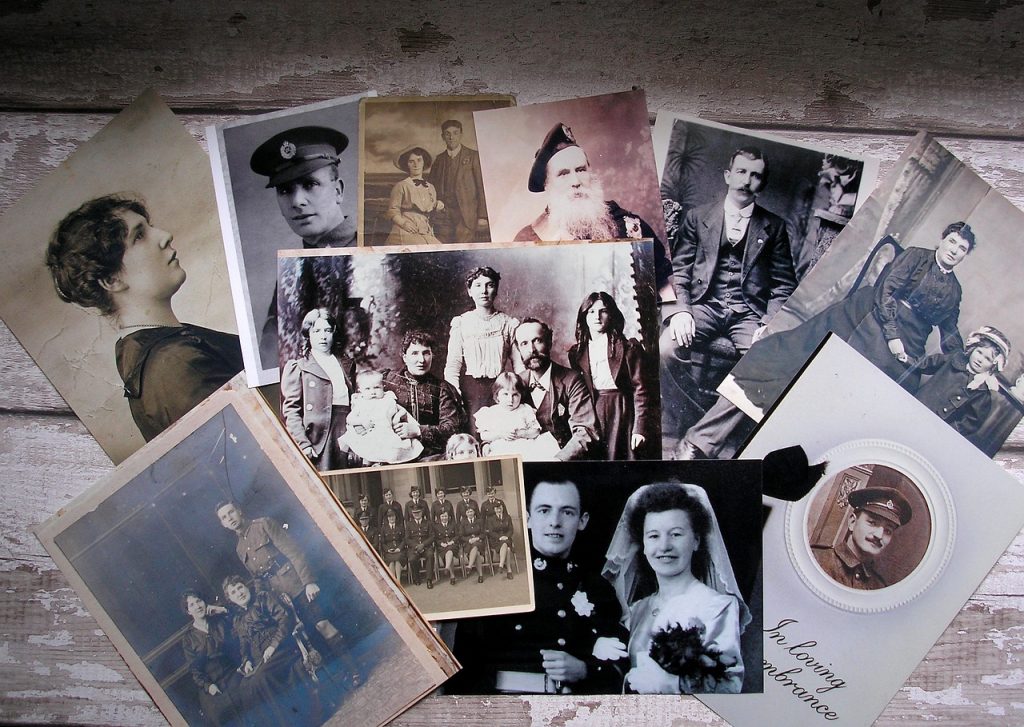
But when you understand the context of their life, you stop thinking of them as “just another ancestor” and start seeing them as a full person — with hopes, fears, mistakes, and triumphs.
You start to empathize with them and understand the challenges they endured.
Here’s how context builds empathy:
- You read about your ancestor losing three children in infancy — and then you learn the infant mortality rate in their town was 30%. Suddenly, it’s not just their loss, it’s the norm of that time. That hits different.
- You find out your great-uncle never married. But then you realize he lived through the 1918 flu pandemic and lost his fiancée to it. And just like that, you’re crying into your laptop.
Context gives weight to their experiences and turns flat facts into something relatable. You don’t just understand your ancestors — you start to feel them.
Where to Find Historical Context
Good news: you don’t need to become a historian to add some serious depth to your genealogy work. You just need to be curious — and a little strategic.
Here’s how to get started:
Google the Year(s)
This is one of the easiest and most eye-opening steps. When you find a key event in your ancestor’s life — birth, marriage, immigration, death — plug that year into Google and see what comes up.
For example:
- “What happened in eastern Germany in 1888?”
- “Events in Tennessee in 1927”
- “Ireland 1851 historical events”
You’ll often find major political events, wars, epidemics, or natural disasters that may have directly impacted your ancestor’s life.
Sometimes even cultural trends (like a fashion craze or a new form of transportation) can shape the setting of their story.
And don’t stop at national history. Local events — like the opening of a factory, a town’s incorporation, or a mining accident — can be just as important for understanding what life was like.
Dive Into Old Newspapers
Old newspapers are a goldmine for putting yourself in your ancestor’s shoes. You’re not just looking for obituaries — you’re reading about school plays, factory strikes, church picnics, even gossip columns.
Resources like: Newspapers.com, GenealogyBank, and Chronicling America (free via the Library of Congress) let you search by location, year, and keyword.
Try plugging in their hometown and the year they were living there — then see what life was like.
What were the prices of groceries? What jobs were available? What was in the local headlines?
You might even stumble on something personal: a marriage announcement, a real estate deal, or a court notice involving your ancestor.
Read Local and Academic History
Here’s where you level up your context game.
It’s easy to feel like your family came from “nowhere”— some tiny village you can barely pronounce. But as one Reddit user wisely put it:
“No matter how obscure the society or time period, chances are that there’s a historian whose work is relevant to your family. For example, my own understanding of my grandmother’s family — ethnic Poles from the region around Vilnius — has been incredibly enriched by learning more about Polish and Lithuanian nationalism.”
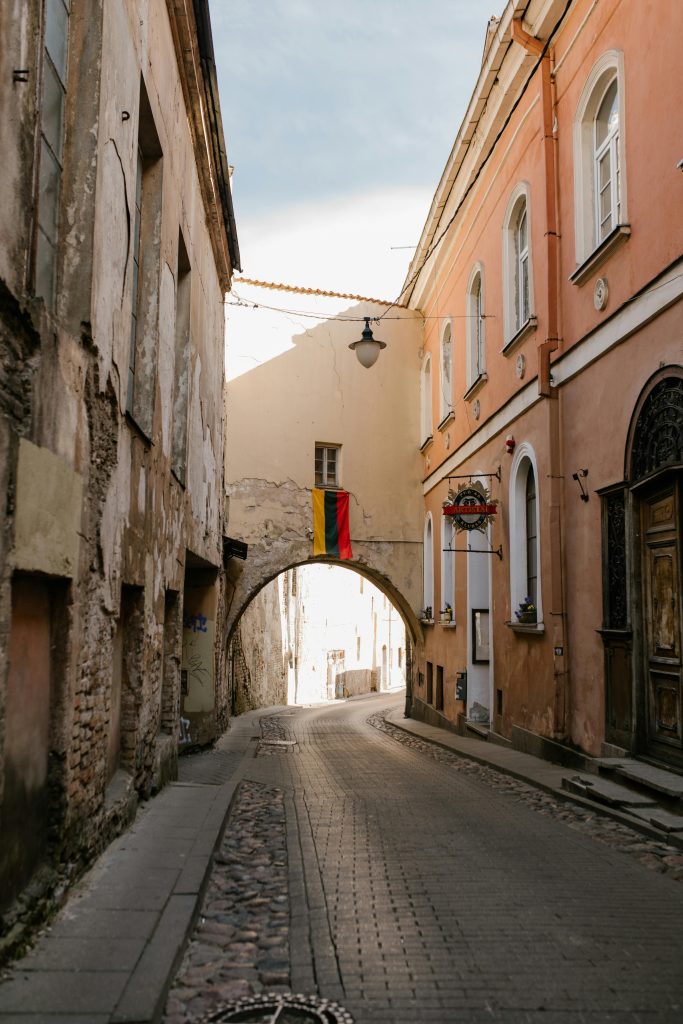
In other words, someone has probably studied the exact community, ethnic group, or historical moment your ancestors lived through — you just need to find their work.
Start here:
- Google Scholar – a search engine for academic articles, books, and historical research. It’s free and surprisingly easy to use.
- Try search terms like “Irish immigrants in Boston 1850s”, “Jewish life in Odessa 1890s”, or “African American farmers Mississippi 1920s.”
- Check out digital libraries or university press websites. Many local universities publish region-specific histories.
- Don’t overlook public libraries and local historical societies. They often have niche publications, oral histories, or archived maps you won’t find anywhere else.
Check Immigration Trends
If you have immigrant ancestors, it’s crucial to zoom out and understand the why behind their journey. People don’t leave their homeland for no reason — something pushed them out, and something else pulled them in.
Some things to research:
- Were there famines, wars, or persecutions going on in their country?
- Was there a labor shortage or land incentive in the U.S. or another destination?
- What was the immigration policy at the time? (Some groups were encouraged, others restricted.)
Understanding these forces will help you see your ancestor not just as an individual, but as part of a larger migration story. It also helps answer important questions like: Why this country? Why this year? Why this city?
Bonus tip: search passenger lists or naturalization records to see where they arrived and whether they traveled alone or with relatives. That can reveal even more context.
Explore Photos, Fashion, and Music
Okay, this part is fun. The vibe of a time period isn’t just in history books — it’s in what people wore, what they listened to, how they decorated their homes, and even what they cooked.
Here’s how to set the scene:
- Search period photographs (Library of Congress, Wikimedia Commons, Pinterest, or even Etsy listings for vintage photos).
- Look up clothing trends for the decade your ancestor grew up — were corsets still in? Were hats common? What did kids wear to school?
- Check out the music that was popular. What were the love songs or patriotic anthems of the time?
- Explore cookbooks or recipes from the region or era. If your great-grandma made pierogi, what else was typical at the family table?
This kind of detail might seem small, but it helps you paint a world that feels tangible and real — not just to you, but to anyone reading the story
Context Equals Connection
Adding historical context to your genealogy isn’t just about impressing people with fun facts. It’s about connection — to your past, your family, and your identity.

When you know what your ancestors were up against, how they lived, what they feared and celebrated, your story becomes less about dead relatives and more about a living legacy.
You start to see patterns.
You recognize traits passed down.
You understand your own place in the bigger picture.
So next time you find a new name for your family tree, don’t just ask who they were. Ask:
👉 What was happening around them?
👉 What did they face?
👉 What did they survive?
Because that’s where the real story begins.
| Want help bringing your family history to life? Contact us to learn more about our professional genealogy services and how we can help you uncover the stories behind the names. |